Cyber chaos: Commuters get a glimpse of the future

November 5, 2009 - 9:41am
electric_line.jpg
Gaining access to a network that controls electric power systems could bring down the electrical grid.

J.J. Green, wtop.com

WASHINGTON - Commuters in Montgomery County Wednesday woke up to what seemed like an unfortunate but benign breakdown in the traffic control system.

"In Maryland, Montgomery County, the computer that controls the traffic signal apparently has crashed," said WTOP morning traffic reporter Lisa Baden.

She went on to report, "Your signals are not in rush hour (mode) and there is nothing Montgomery County can do to change that except ask for your patience."

At the same time, the 106-mile regional subway system, which transports 750,000 people in the Washington Metropolitan area fell victim to a recurrent computer glitch. Riders couldn't use their debit cards to pay for their trips. Many had to leave the stations and find other means to reach their destinations. For some, this was at least the third occurrence of this kind in the last month.

The two events were not connected or were no more than untimely breakdowns. Montgomery County officials say the traffic signals went down because of outdated equipment. WTOP's Adam Tuss says, the Washington Metropolitan Area Transit Authority computers failed because of power outages.

"Metro also has a tough task trying to prevent any sort of cyber attack against its system. As you see, one glitch and the computer system goes out of whack," says Tuss.

But were those faulty systems further damaged by outside forces?

On Aug. 14, 2003, at approximately 4:15 p.m. EDT, a massive widespread power outage occurred throughout parts of the Northeastern and Midwestern United States and Ontario, Canada. Roughly 45 million people in eight U.S. states and 10 million people in Ontario were left in the dark. It was the biggest blackout in history.

It was blamed on FirstEnergy Corp.'s failure to trim trees in part of its Ohio service area and an electronic flaw in General Electric Energy's Unix-based XA/21 energy management system.
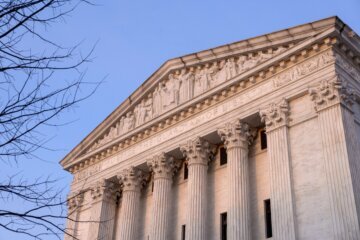
But quietly, intelligence officials discussed the possibility that the Chinese People's Liberation Army gained access to a network that controlled electric power systems and brought down the grid.

A growing chorus of U.S. intelligence and cyber authorities are revisiting the possibility the Chinese may have been involved in 2003, and other cyber glitches in the U.S.

"Some day, somewhere, sometime, we're going to have a massive cyber attack which will disrupt activities in this country. You can almost bet on it," says Lee Hamilton, former vice chair of the 9-11 Commission.

"If you're able to take down part of the electricity grid, pretty much everything fails," says the former director of the Central Intelligence Agency James Woolsey.

"You don't have water being pumped. You don't have sewage being pumped. You don't have deliveries to grocery stores. It's pretty difficult to figure out what does work under those circumstances," Woolsey says.

   1 2  -  Next page  >>

Audio

Cyber Attacks
Audio from the International Spy Museum's Weapons of Mass Disruption Exhibit

PLAY
More Archived Audio >

Picture This

Photo of the Day
Playing Catch
 Pictures of the Week  Sports  People  More


Home | Site Map | Advertise with Us |  Contact Us | Privacy Statement | Terms of Use | Copyright Infringement
 | EEO Public File Report | Bonneville International RSS Feeds RSS Feeds  Podcasts Podcasts
AP material Copyright 2010 Associated Press. All rights reserved. This material may not be published, broadcast, rewritten, or redistributed.