
Local News
Most Viewed
Hot Topics
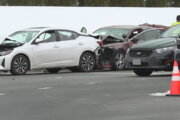
The odds of it happening in Virginia are one in 137, according to State Farm Insurance. In 2008, the odds in Virginia were one in 123.
In Maryland, the likelihood is one in 141, compared with one in 154 last year. The odds of striking a deer in D.C. are one in 523, compared with one in 532 in 2008.
The odds are even higher in neighboring West Virginia and Pennsylvania. The chances are one in 39 chance in West Virginia and one in 93 in Pennsylvania.
There are some precautions you can take to reduce the likelihood of an accident.
Fairfax County Police spokeswoman Lucy Caldwell recommends driving the posted speed limit.
"The more conservative you are with your speed, the more time you'll have to brake if a deer runs across the road," she says.
If a deer is frozen on the road, reduce your speed and flash your headlights.
About 45 percent of vehicle-deer collisions happen in October and November.
"Watch for eye shine along the roadsides. This typically means there could be a deer or many deer along the road. We also urge people not to swerve to avoid deer. Swerving can cause a loss of control for you and your vehicle and can increase the chances of more serious damage to you and your passengers," Caldwell says.
Other tips:
- Watch for posted deer crossing signs. They're placed in areas where deer are active.
- Deer are most active between 6 p.m. and 9 p.m.
- Remember they travel in herds.
(Copyright 2009 by WTOP. All Rights Reserved.)
The odds of it happening in Virginia are one in 137, according to State Farm Insurance. In 2008, the odds in Virginia were one in 123.
In Maryland, the likelihood is one in 141, compared with one in 154 last year. The odds of striking a deer in D.C. are one in 523, compared with one in 532 in 2008.
The odds are even higher in neighboring West Virginia and Pennsylvania. The chances are one in 39 chance in West Virginia and one in 93 in Pennsylvania.
There are some precautions you can take to reduce the likelihood of an accident.
Fairfax County Police spokeswoman Lucy Caldwell recommends driving the posted speed limit.
"The more conservative you are with your speed, the more time you'll have to brake if a deer runs across the road," she says.
If a deer is frozen on the road, reduce your speed and flash your headlights.
About 45 percent of vehicle-deer collisions happen in October and November.
"Watch for eye shine along the roadsides. This typically means there could be a deer or many deer along the road. We also urge people not to swerve to avoid deer. Swerving can cause a loss of control for you and your vehicle and can increase the chances of more serious damage to you and your passengers," Caldwell says.
Other tips:
- Watch for posted deer crossing signs. They're placed in areas where deer are active.
- Deer are most active between 6 p.m. and 9 p.m.
- Remember they travel in herds.
(Copyright 2009 by WTOP. All Rights Reserved.)
-
Mike Causey's Federal Report
On Federal News Radio, AM 1500 -
mobile.WTOPNEWS
Get Text Messages and wtopnews.com on Your PDA -
Contact Us
Send us a comment or a news tip -
Emergency Preparation
Is your family prepared?
| EEO Public File Report | Bonneville International
RSS Feeds
Podcasts AP material Copyright 2010 Associated Press. All rights reserved. This material may not be published, broadcast, rewritten, or redistributed.
![[Federal News Radio]](/images/layout/header2/sister_wfed.gif)
![[Costum Commute]](/images/custom.gif)
![[Listen to WTOP]](/images/layout/buttons/listen_button3.gif)
![[WTOP Audio Center]](/images/layout/buttons/audio_button3.gif)
![[Home]](/images/layout/header2/logo.gif)